



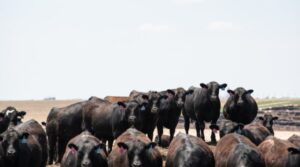
Cattle futures plunged mid-session before trimming losses Friday as a sharp selloff in energy markets rippled through agricultural commodities, adding pressure to an already volatile livestock trade.
Analysts pointed to geopolitical headlines tied to the Strait of Hormuz as a key driver. Conflicting signals about whether the critical oil shipping lane is fully open triggered steep declines in crude oil and fuel markets, dragging grains and livestock lower.
“It sure feels a lot like last Friday, where the wheat and the energy markets are kind of leading the declines in the face of very uncertain news,” Mike Zuzolo of Global Commodity Analytics told the Rural Radio Network.
Zuzolo said traders are reacting quickly to developments in the Middle East, noting reports from Iran that the strait is open while U.S. officials suggest military oversight remains in place. That uncertainty has contributed to a sharp break in energy prices, with some fuel markets dropping 10 to 15 percent.
“The trade clearly is following the energy markets at this stage of the game,” he said.
Despite the broad selloff, Zuzolo added that weather risks could limit downside in grain markets. Forecasts calling for a hard freeze across parts of western Nebraska and Kansas have kept concerns alive in the hard red winter wheat belt.
Cattle futures reversed sharply after trading higher earlier in the session, with feeder cattle at one point hitting limit-down levels before recovering slightly.
“There’s got to be some more behind it here than with the size of the volume that we saw,” market analyst Kyle Bumsted told the Rural Radio Network. “We did see some definite fund liquidation on this move.”
Bumsted said the sudden downturn appears tied to a mix of factors, including heavy fund selling, cash trade activity and anticipation ahead of the latest Cattle on Feed report. A large cash trade in Kansas around $248 coincided with the market break, though he suggested that alone does not explain the magnitude of the move.
Market expectations for the report include on-feed numbers near 99.5 percent of a year ago, with placements and marketings both projected lower.
Zuzolo warned that if the report fails to provide bearish data and prices still struggle, it could signal deeper technical weakness.
“If the cattle on feed report is not bearish and we still go lower, I’d be very nervous about this market,” he said.