



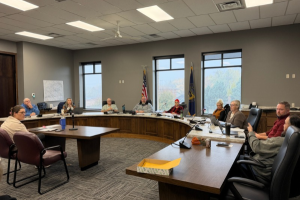
CUSTER COUNTY – The Custer County Board of Supervisors are considering options for keeping Community Development Block Grant (CDBG) housing funds available to local residents as the county faces the possibility of having to return the remaining funds to the state and federal government.
During the board’s meeting on October 27, supervisors heard from Scotti Ross with the Custer Economic Development Corporation, that the county has approximately $53,574 remaining in their CDBG housing program income account. Ross said the funds could be reclaimed in December because the program has not issued a new housing loan since 2024 and has exceeded the original two year completion timeline.
The program’s requirements called for the fund balance to be reduced to less than $35,000 within two years of June 2020.
The county supervisors also discussed whether the seven housing loans currently in deferment should be moved into forgivable status, potentially allowing the county to retain the funds and benefit local residents.
“If you put those into forgiveness, then you would be able to obviously benefit citizens in Custer County and keep those funds local,” Ross told the board.
Two additional housing loans remain in repayment. Under the proposed approach, homeowners would need to submit documentation demonstrating they qualify for loan forgiveness. The board discussed contacting eligible borrowers and establishing an application deadline. Ross was asked to prepare letters to send to borrowers, with the board determining on a case by case basis whether each loan would be forgiven.
Other Board Business
The supervisors certified 31 distress warrants for unpaid property taxes totaling $26,654.99. The warrants cover prior year taxes and accelerated 2026 taxes and were scheduled to be delivered to the sheriff for collection.
The board also approved amended tax levy allocations for several entities, including the Mason City Fire District, a few Townships and Broken Bow Public Schools. The Custer County Treasurer, Sheri Bryant said some changes were needed after reviewing budget documents and finding information that had not been properly reflected on submitted paperwork.
The meeting concluded with an executive session, followed by the County Supervisors’ quarterly visit to the jail.