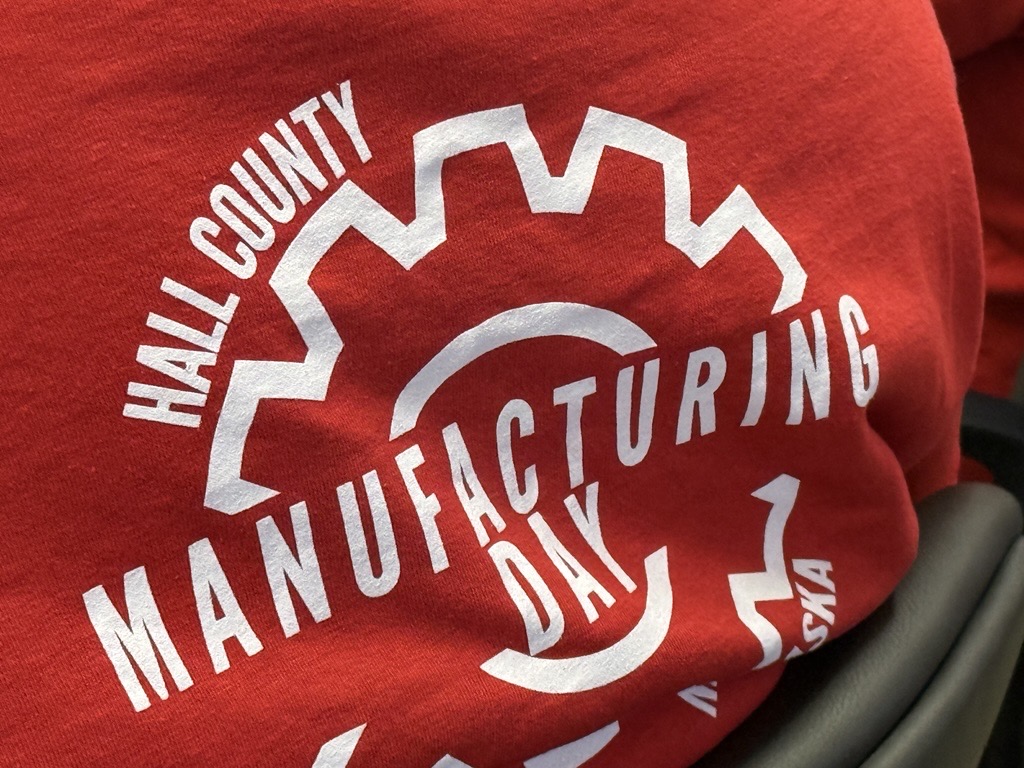



GRAND ISLAND, Neb. — From steel components used in combines to grain storage and ethanol production, a Manufacturing Month tour gives students a close-up look at how this vital sector supports Nebraska.
High school juniors from across Hall County toured manufacturing companies to cap Manufacturing Month, including a stop at Chief Fabrication in Grand Island. The visits introduced students to local careers and the work behind products they see on farms and in their communities.
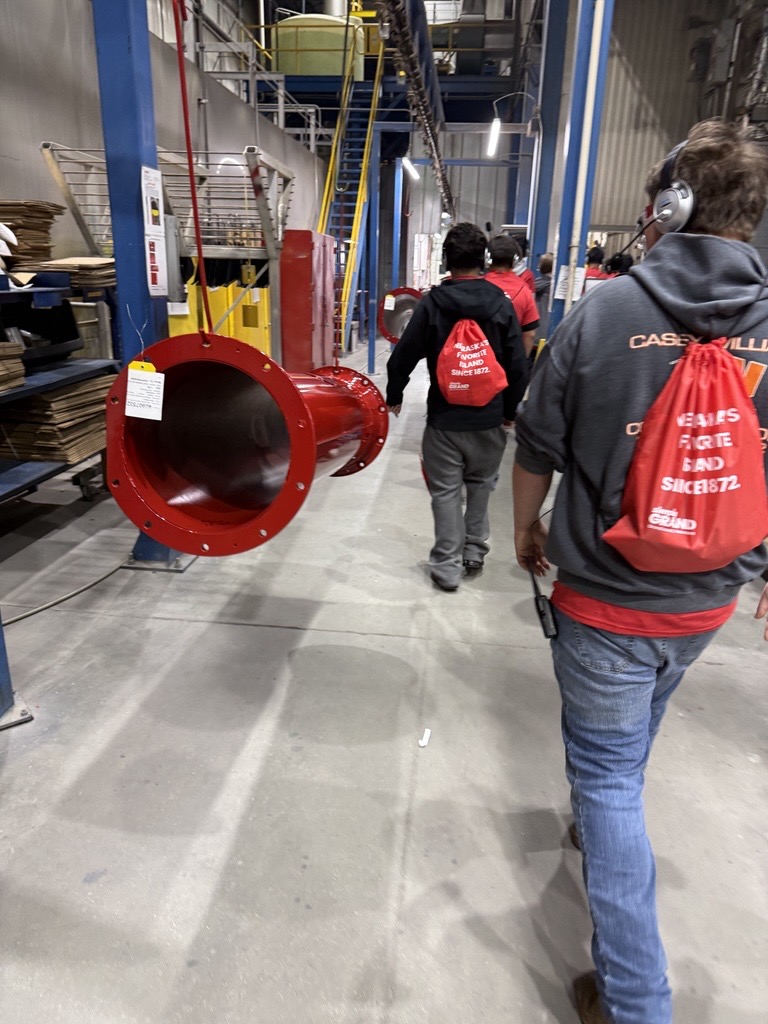
At Chief Fabrication, workers cut, stamp, bend, weld and powder-coat steel parts that become components in larger assemblies. Some of those parts go into agricultural equipment made by Case New Holland, John Deere and Claas.
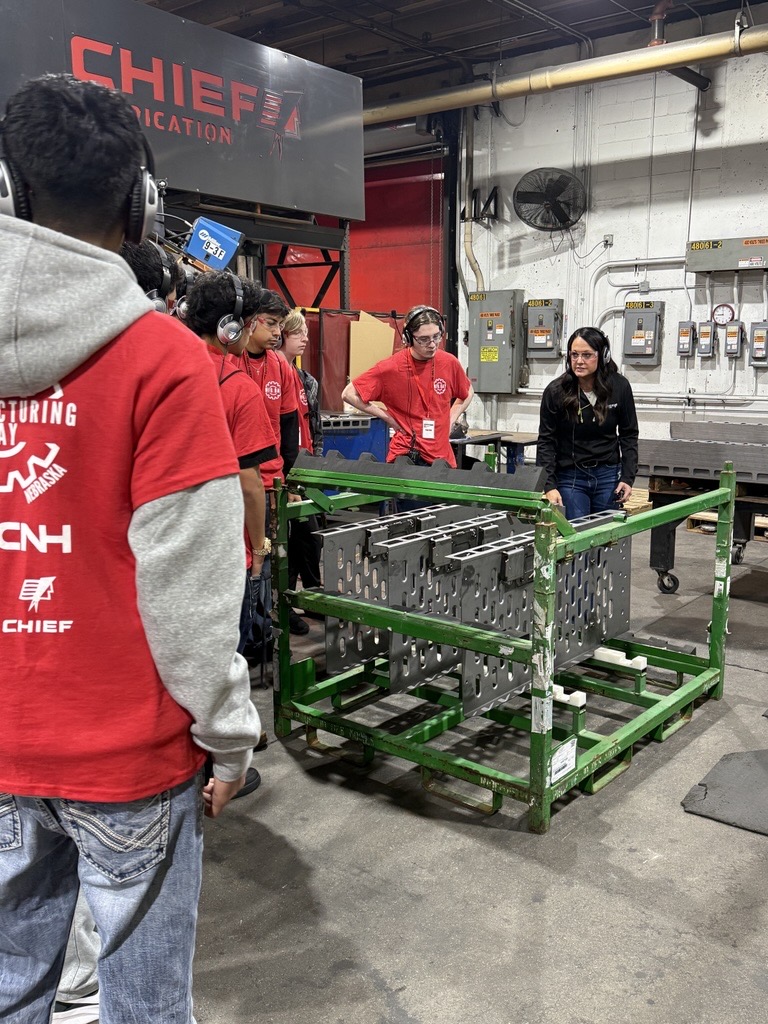
Nicole Hinrichs, the company’s human resources and safety manager, said the shop handles more parts that many realize.
“Chief Fabrication is a steel manufacturer, so we make piece parts that go into bigger assemblies. We run over a million piece parts through our shop, so everything from cutting to stamping to break to welding to powder coat. What we’re looking at now to shipping out the door.”
Among its products are unload tubes used on combines, giving students a direct connection between the manufacturing floor and equipment working in the field.
Agriculture beyond the shop floor
The agricultural ties extend across Chief Industries, the parent company, which has divisions involved in grain storage, ethanol and other products and services connected to farming.
Beth Frerichs, Chief Industries’ marketing director, said agriculture has been part of the company’s identity since its founding in 1954.
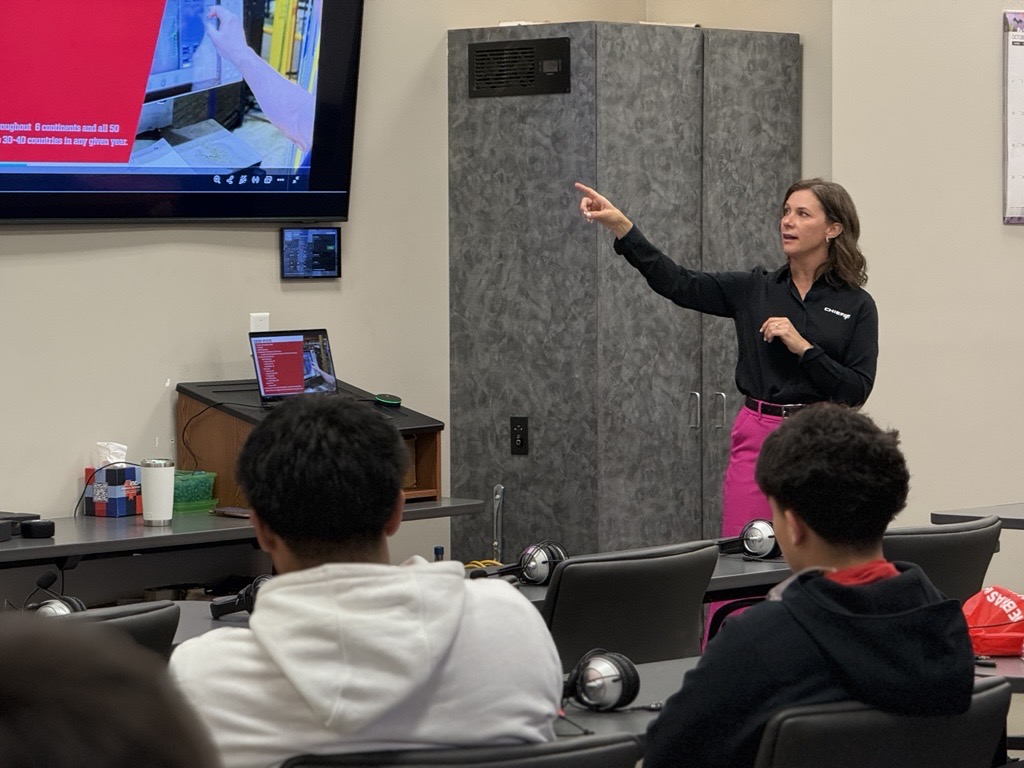
“We are based in the agricultural roots,” Frerichs said. “When we think about how Chief impacts that economy, we are not only buying corn from suppliers and producers for our ethanol plant, we are helping our farmers store their grain on their farms with Chief Agri. And we also want to make sure that from a manufacturing and agricultural equipment standpoint, we are supplying parts for those agricultural equipment pieces. So we are ingrained in so many different ways.”
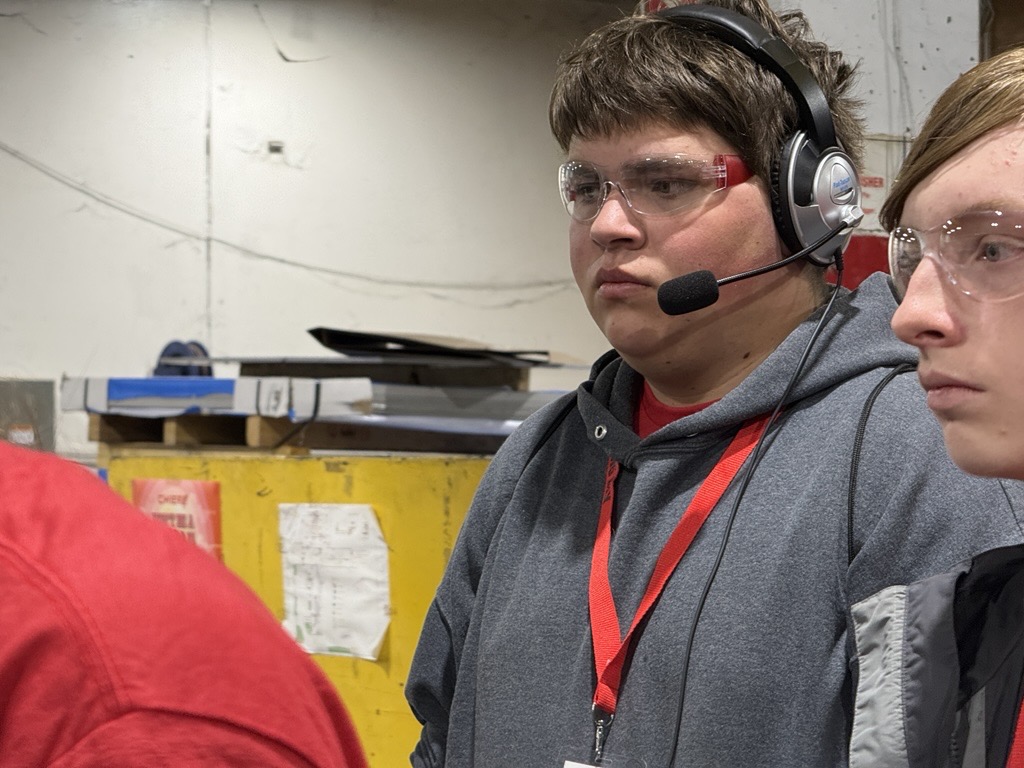
For Grand Island Senior High School junior Cayden Clampitt, the tour helped explain how familiar products are made. Clampitt is in the school’s manufacturing pathway and enjoys hands-on learning. He can picture himself building parts for combines.
“It’s kind of cool to see where it all comes from,” Clampitt said.
A look at careers close to home
The tours also challenged the idea that manufacturing means only welding or heavy physical labor. Hinrichs said some jobs involve programming equipment, monitoring machines and removing finished parts.
She said, “It’s a great opportunity, especially when they see some of our technical technology that we have purchased that you don’t have to be a welder. Some of our equipment is computer related, so you’re programming and you’re watching the machine run and taking those piece parts off of that equipment.”
Grand Island Senior High has several schools within a school, known as academies that are focused on career areas like health care and education. D.W. Holley is principal of the Academy of Technical Sciences which includes construction, manufacturing and automotive pathways. Students develop technical and workplace skills to prepare for college and careers, including the kinds of jobs they encountered on the tour.
The school also offers registered apprenticeship programs that allow students to gain work experience before graduation. Many participants have gone on to full-time employment.
Holley said manufacturing has evolved beyond old perceptions.
“How the manufacturing industry has evolved in the last 20 years. It used to be this mindset that these are factories and they’re dirty and it’s hard labor,” he said of outdated stereotypes.
Holley said today’s workers need skills to operate sophisticated equipment and understand complex processes, and he wants students to see those opportunities close to home.
The tour also includes a stop at CNH, which produces Case and New Holland combines plus a visit to ammunition producer Hornady Manufacturing. Students also visited Central Community College to learn how additional education can help them get ahead in the workforce.
For students such as Clampitt, the visit connected classroom learning with potential careers — and showed how work in a Nebraska manufacturing plant can help keep agriculture moving in the field.