


HALL COUNTY, Neb. — Noxious weeds don’t stop at county lines, but how Nebraska counties organize their efforts to control them can vary.
In Hall County, voters are deciding whether to eliminate the county’s elected weed control authority and transfer those responsibilities to the county board of commissioners.
The county’s weed control work would continue under the proposal. The change would instead determine who oversees the program — a question that has sparked debate about local expertise, government efficiency and the difficulty of finding people willing to serve on volunteer boards.
Hall County Board Chairman Ron Peterson says a shortage of candidates was the primary reason commissioners put the question before voters.
“We’ve had a very difficult time getting people to run for the weed board, and had trouble finding candidates that wanted to be on the board,” Peterson said. “So I think that was the primary motivation.”
Under the proposal, county commissioners would assume the weed board’s responsibilities, much as they oversee other county functions. Peterson said the change could save taxpayers about $5,000, but emphasized that the savings would be minimal.
“If you’re voting for it because you think it’s going to save the taxpayers a lot of money, the total savings might be somewhere in the neighborhood of $5,000,” Peterson said. County weed board members suggest the money spent on the board is even less than that.
The county’s weed department would remain in place, but oversight would shift to commissioners.
Peterson acknowledged that could raise concerns among rural residents about whether commissioners have the same specialized knowledge as members of a dedicated weed board.
“We’ve got a couple members that are on our current board that do understand them,” Peterson said. “But in the long run, is that an issue that would be a concern to the people in the rural area?”
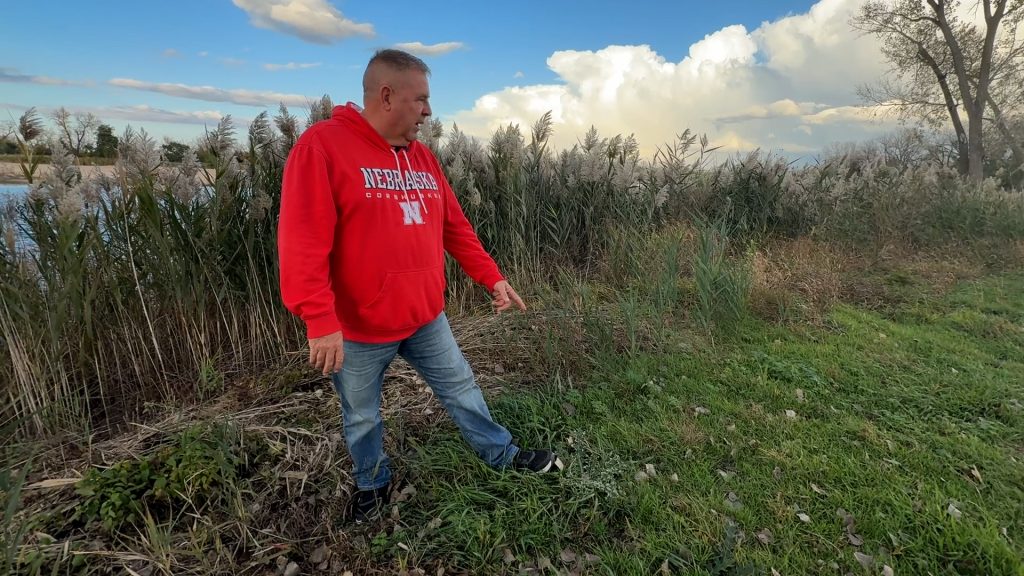
Chad Gideon, a Wood River sod farmer and member of the existing weed board, believes local knowledge is one of its greatest assets.
He says board members spend time in rural areas, see where invasive plants are spreading and bring those observations back to the group.
“We need to control them before they get out of line, and I believe that we need to keep the weed board, because the members, we’re kind of the eyes and the ears in the rural areas to see where they’re the worst and stuff, and then report back to our meetings,” Gideon said.
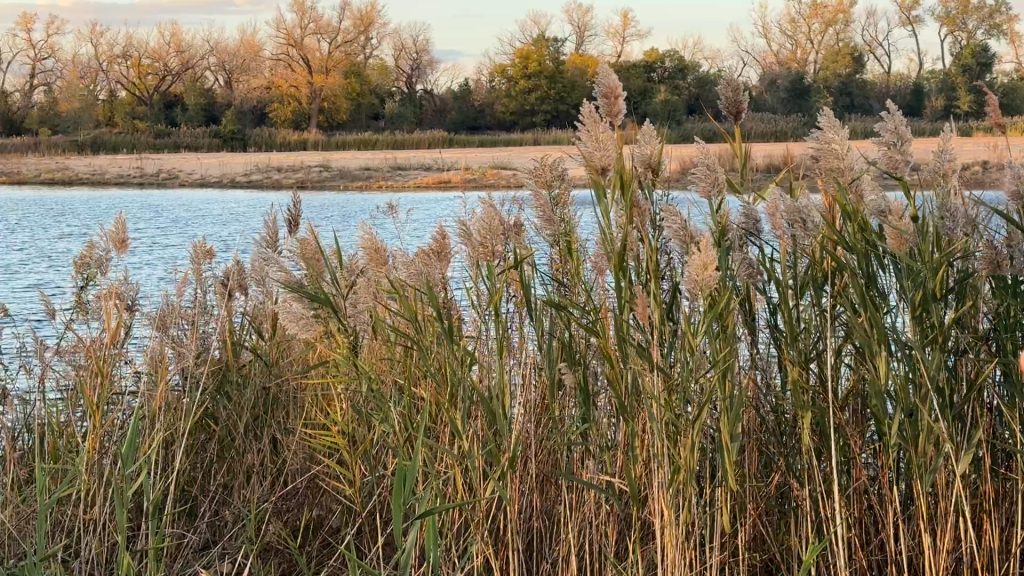
Gideon points to phragmites growing along a narrow channel of the Platte River near his property as an example of the challenges facing rural landowners.
Once established, he said, the invasive plant can be difficult to spray because of tree cover. When flooding occurs, he said, the vegetation can contribute to water spilling out of the channel and creating additional problems.
Gideon said members’ familiarity with the landscape helps them recognize those problems and understand where control efforts are needed.
“My passion is the outdoors and that we be good stewards of the land and take care of the land,” he said. “We drive a lot in the country, and everything, and I just think that it’s important to keep us on and know what our surroundings are with noxious weeds.”
The weed board meets monthly to review finances, spraying reports and expenditures, and to make decisions about chemicals and other needs, Gideon said.
He also disputes the idea that finding new members is necessarily a lost cause. Gideon joined after a longtime board member died, and said another member recently stepped forward because of an interest in the work. This year’s ballot has three candidates running for two seats.
Gideon worries that eliminating the independent board could make it difficult to restore later.
“If they disband the weed board, then we may never get it back,” he said.
Peterson said commissioners recognize that weed control is an issue with a much more direct impact on rural residents than those living in town. He said the county wants to respect those concerns and make sure rural residents feel their voices are heard.
The debate in Hall County reflects a broader challenge for rural communities: how to maintain local oversight of specialized services when fewer people are willing or available to serve on boards.
Whether those responsibilities remain with an independent authority or move to county commissioners, the work of controlling noxious weeds will continue.
Whatever voters decide, the weeds will still be there after the campaign signs come down, the question is who’s watching for them.