



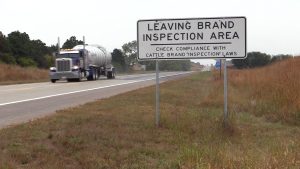
A proposal to overhaul Nebraska’s livestock brand inspection system cleared its first round of floor debate, advancing on a 36-4 vote despite division within the cattle industry.
LB1187, which previously advanced unanimously out of committee, would raise fee caps, restructure the Nebraska Brand Committee, and update inspection rules to reflect changes in how cattle move through the state.
Supporters say the measure is needed to keep Nebraska’s top industry competitive.
“People in the cattle industry are some of the most passionate, hardworking people you will ever meet,” said Sen. Mike Jacobson of North Platte. “If we want to keep Nebraska’s number one industry competitive, we must be willing to confront the real concerns and make responsible changes.”
Jacobson brought an amendment to the previously amended bill, as he sought to find a compromise.
The debate has exposed fault lines between segments of the cattle industry, particularly between cow-calf producers and other sectors such as feedlots and sale barns.
Sen. Tanya Storer, a rancher from north-central Nebraska, emphasized the importance of maintaining strong inspection requirements across all sectors.
“In short, what dairy heifer development is, it’s a fairly new aspect… where feedlots bring in young dairy heifers… oftentimes they’re coming in from out of state and returning out of state,” Storer said. “This is cattle movement that is pretty significant.”
Storer said ensuring all segments remain subject to inspection and oversight was a “non-negotiable,” particularly as producers face ongoing challenges.
During debate, she called for a moment of silence to recognize ranchers impacted by recent wildfires across the state.
“I see you, I hear you, and I am fighting for you,” she said.
Sen. Fred Meyer, a cattle feeder, pointed to broader structural shifts in the industry, including consolidation and the ongoing cattle cycle.
“The average age of the people in the cow-calf industry is higher, and more people are getting out of the industry,” Meyer said. “In my immediate area, I have no neighbors in the cow-calf business… and there used to be dozens.”
While lawmakers largely agreed on the need for modernization, not all were convinced the compromise fully addresses concerns.
“I don’t quite understand how we got to where we are today,” said Sen. Danielle Conrad, calling the proposal an “uneasy compromise.”
The bill now moves to the next stage of debate, where lawmakers may continue refining the proposal.