


Doug Stratman of West Point was just getting the 2026 planting season underway on his farm in northeast Nebraska, but the start of the season didn’t come without an equipment fix.
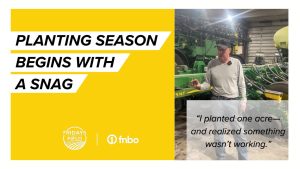
After putting just one acre in the ground, Stratman noticed something wasn’t right with his planter.
“I planted one acre, and I figured out that the flow meter on the starter fertilizer was not recording accurately,” Stratman said.
After taking the system apart overnight and getting it back together, he was ready to get back to the field and continue planting. While the delay was minor, it’s a reminder of how even small equipment issues can slow down progress during one of the busiest times of the year.
As planting ramps up, Stratman is also thinking through several management decisions that play into his crop rotation and pest control strategy. On his operation, fields typically go to corn for two years before rotating back to soybeans. To help manage corn rootworm pressure, Stratman applies insecticide through the planter’s starter system.
“It just injects a little bit of this insecticide in the starter as it’s going through,” Stratman explained. “It’s easy, it’s simple and it seems to work very well.”
Stratman has also made adjustments over the years to how he plants soybeans. At one time, he used 15-inch rows, but he found the plants were growing too tall and becoming more prone to lodging and disease pressure.
“The beans were getting so tall… the stem on a bean sometimes can’t hold its weight, so then you end up with beans falling over and you can get white mold,” Stratman said.
Because of that, he transitioned to planting soybeans in 30-inch rows, which allows more air to move through the canopy and helps plants bush out instead of growing straight up. Stratman says the wider rows can also reduce trash going through the combine and help with weed control as the crop fills in.
As the 2026 planting season continues, Stratman says success often comes down to paying attention to the details — from equipment performance to planting decisions that can influence crop health and yield later in the growing season.
Fridays in the Field is presented by FNBO – The Great Big, Small Bank.