



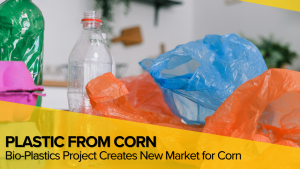
A proposed manufacturing facility in southeast Nebraska aims to create a new market for corn by transforming ethanol into one of the world’s most widely used plastics.
Citroniq plans to build a bio-polypropylene production facility near Falls City that would use corn ethanol instead of fossil fuels to manufacture polypropylene, a plastic commonly found in automotive parts, food packaging and construction materials.
CEO and founder Kelly Knopp said the company’s product is chemically identical to conventional polypropylene but is made from a renewable feedstock.
“Think about car bumpers. Think about yogurt cups,” Knopp said. “Traditionally, it’s made out of crude oil.”
Knopp said Nebraska stood out during the company’s site selection process because of its strong ethanol industry, business climate and transportation infrastructure. The Falls City location offers access to two major rail lines and the Missouri River, providing logistical advantages for bringing in materials and shipping finished products.
The company expects the facility to create a significant new source of demand for corn.
Knopp said the plant would require approximately 137 million bushels of corn each year through ethanol production, representing what he called “a material amount of new corn demand” for growers.
Beyond agriculture, the project is expected to create manufacturing jobs and economic activity in rural Nebraska.
Citroniq plans to market its bio-based polypropylene primarily to the automotive and construction industries, where the material can replace conventional plastic without requiring manufacturers to change their existing production processes.
Knopp said the product also offers environmental benefits because the manufacturing process captures more carbon dioxide than it emits, helping companies reduce the carbon footprint of their products while continuing to use the same material specifications.
The company is targeting a groundbreaking in late 2027, with commercial operations expected to begin in 2029.
Knopp said the Nebraska facility is intended to be the first of three planned production plants as the company works toward expanding the use of sustainable, domestically produced plastics made from American-grown corn.