



Fertilizer prices are expected to remain above levels seen before the Iran war through 2028 as geopolitical tensions and supply constraints continue to pressure global markets.
A new report from CoBank’s Knowledge Exchange says farmers and agricultural retailers could face elevated fertilizer costs for several more years. CoBank economist Jacqui Fatka said instability in the Middle East, tight global supplies and limited phosphate availability could keep prices elevated through 2027 and beyond.
The Middle East plays a significant role in the global fertilizer supply chain, producing more than 60 million tons of fertilizer and raw materials annually. Much of that supply moves through the Strait of Hormuz. The region also accounts for more than 30% of global urea exports.
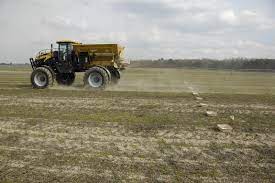
Higher fertilizer costs are prompting U.S. farmers to look for ways to make each application more efficient. Producers have increasingly relied on soil testing, variable-rate applications and other precision nutrient management practices.
Some farmers have reduced phosphate and potassium applications by 10% to 15% while largely maintaining nitrogen rates in an effort to protect crop yields.
Fatka cautioned that while producers may be able to reduce some fertilizer applications in the short term, continued reductions could eventually affect soil productivity and crop yields.
The outlook suggests fertilizer costs will remain an important consideration for producers as they make crop budgets and nutrient management decisions heading into future growing seasons.
Source: CoBank Knowledge Exchange